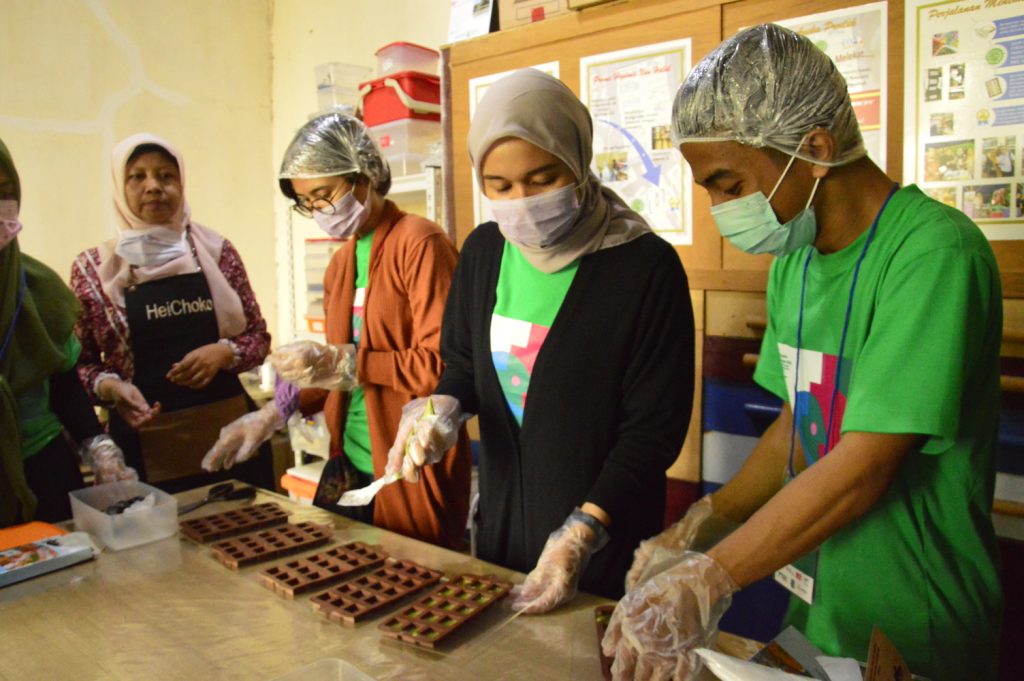
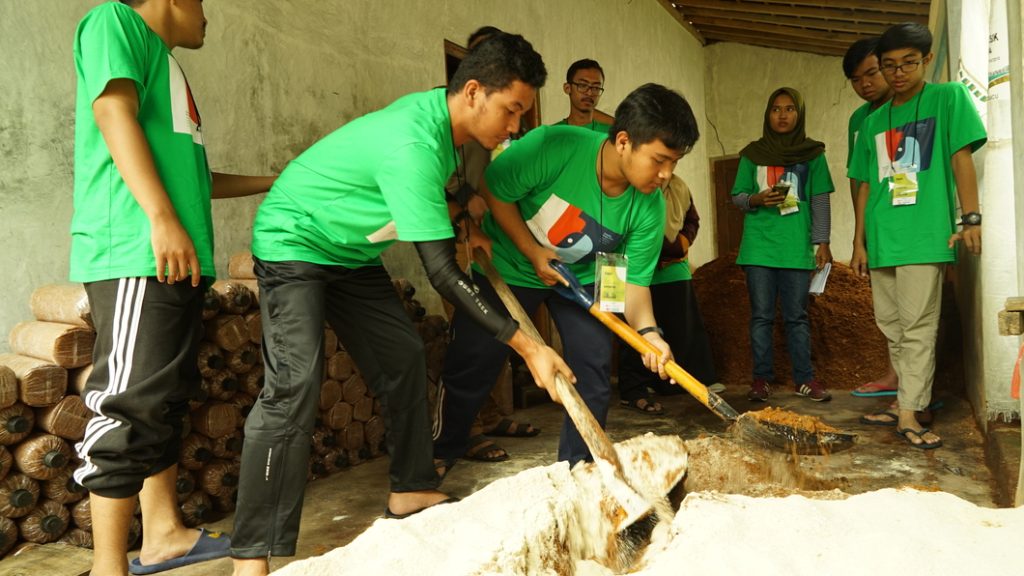
The Universities (Undergraduate Programs) category of the Asia Social Impact Challenge engages university students to become active problem-solvers and innovators in addressing urgent social and environmental issues in their communities. This category is designed for undergraduate students across Asia who are passionate about creating meaningful change through entrepreneurial thinking and social innovation.
Participants will form teams of 2 to 3 students and are encouraged to collaborate with mentors—such as faculty members, lecturers, or external advisors—who can guide them throughout the project. Teams are challenged to identify a real-world problem, conduct relevant research and needs assessments, and propose a creative, feasible, and impactful solution that has not yet been implemented. The learning journey includes ideation, implementation, impact evaluation, and project presentation. Through this process, students will develop essential skills such as critical thinking, leadership, teamwork, communication, and systems thinking—all crucial for shaping future changemakers and responsible leaders.
Outstanding projects will be selected to present in front of expert panels and may be showcased at the Global Entrepreneurship Education Meeting (GEEM) 2025, providing global exposure and opportunities for scaling their innovations. This category serves as a platform for young university leaders to transform academic knowledge into real-world solutions, fostering a new generation of social innovators across Asia.
Criteria and Description
Problem Relevance
Clearly defines a real social or environmental challenge relevant to the local or regional context.
Innovation & Impact
Proposes an original solution with clear potential for impact and scalability.
Research & Analysis
Solution is backed by strong reasoning, research, or relevant data (qualitative or quantitative).
Sustainability
Addresses long-term viability, including social, financial, and/or environmental sustainability.
Collaboration & Inclusion
Engages stakeholders such as community members, government, NGOs, or businesses, with a commitment to inclusivity and respect for diverse groups.
Ethical Responsibility
Demonstrates cultural sensitivity and ethical practices, avoiding harm or controversy.
Start Small, Impact Big
Turn your small idea into a big impact — join the Asia Social Impact Challenge and submit your innovation to create real change in your community!